HIGH DEFINITION VISION
The effects of diet on vision and eye health
Vision is a precious sense that we often take for granted until it begins to deteriorate. Fortunately, there are natural ways to preserve your eyesight, particularly through a healthy and varied diet.
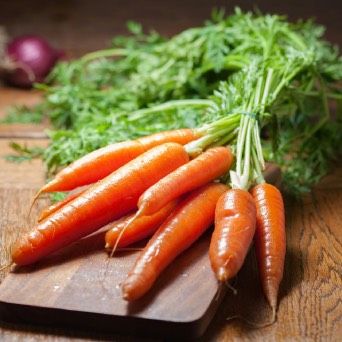
Foods containing carotenoids, zinc, and vitamins A, C, or E have antioxidant properties. These nutrients help protect eye cells from retinal degenerations such as age-related macular degeneration (AMD), retinopathies, or cataracts.
Carotenoids and vitamin E also have anti-inflammatory properties. Regular intake of these nutrients helps reduce the risk of chronic ocular inflammation. Omega-3 fatty acids, as well as vitamin A, play a role in producing the lubricant necessary for the stability of the tear film and protection against external aggressions.
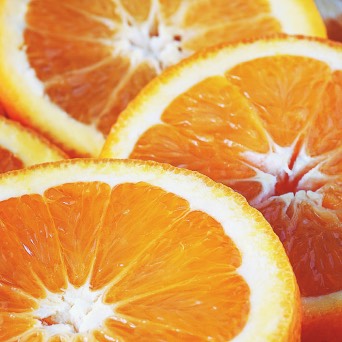
Intraocular pressure, which can cause glaucoma if too high, can be reduced through the intake of vitamin C. An adequate intake of vitamin A allows the retina to synthesize a pigment that improves vision in low light, and this in combination with zinc, which allows for better absorption and use of vitamin A. Furthermore, zinc is essential for converting light into nerve signals that the brain interprets as visual images.
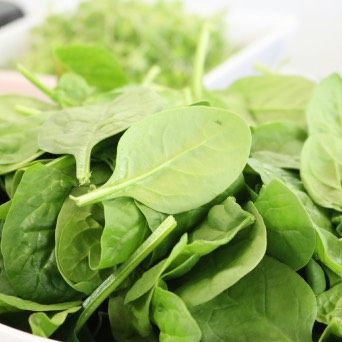
Thus, adopting a diet rich in specific vitamins and nutrients can play a significant role in preserving vision. By incorporating foods such as leafy green vegetables, fatty fish, citrus fruits, and nuts into your diet, you can maintain your overall eye health. Remember to consult a healthcare professional regularly for eye exams and personalised advice.